
How Much Storage Do You Really Need in a Pre-Owned iPhone? (64GB vs 128GB vs 256GB)
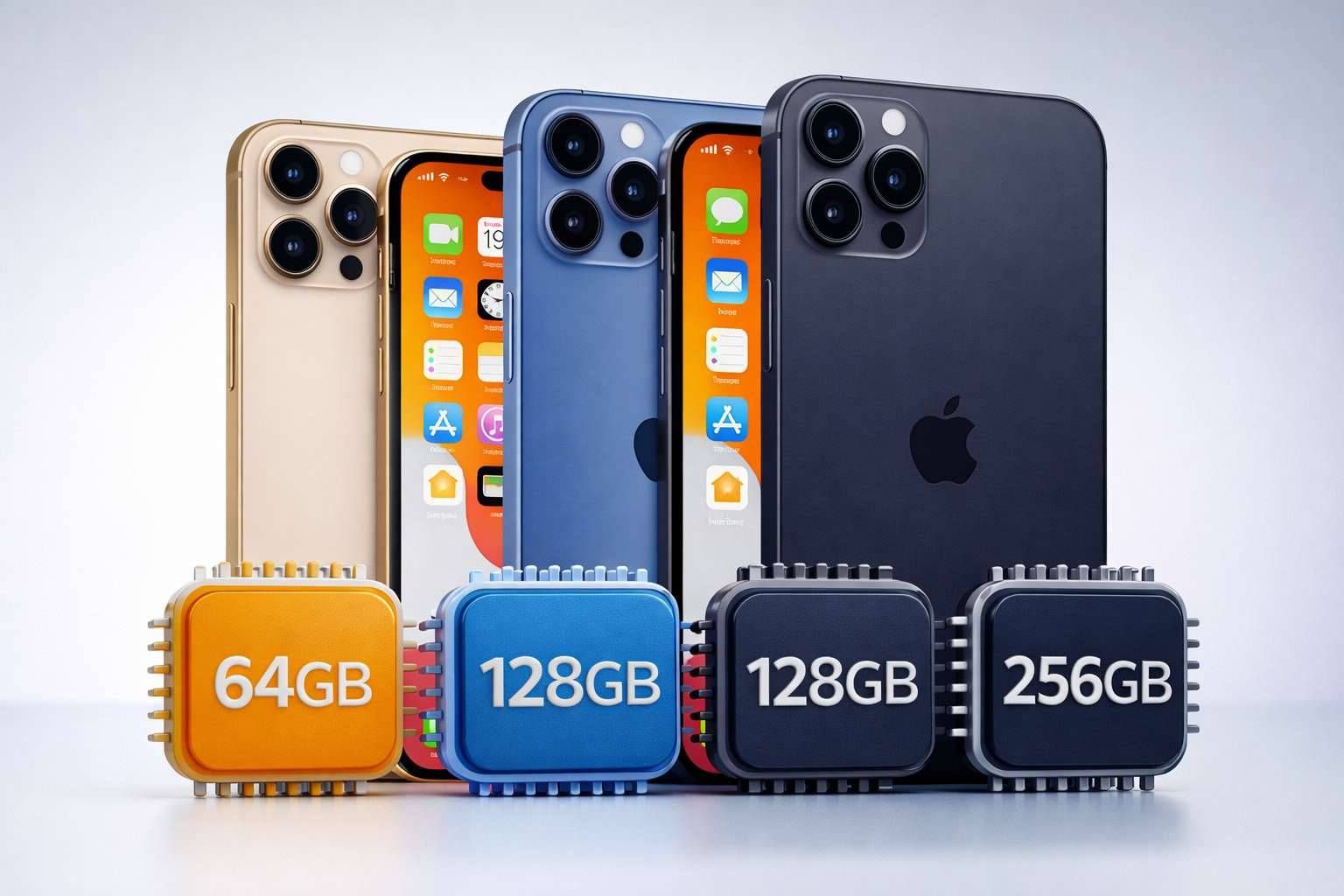
Buying a pre-owned iPhone makes sense for many Indian users today. You get Apple’s design, camera quality, and long software support—without paying the price of a brand-new device. But one decision often causes confusion and regret later: storage capacity.
Most buyers pause at the same question:
How much storage do you really need in a pre-owned iPhone?
Is 64GB manageable? Is 128GB worth the extra cost? Or is 256GB necessary for long-term use?
This article is written to help you decide based on real-life usage in India, not marketing claims. The goal is simple: help you choose the right storage once, so you don’t regret it after six months.
Many buyers assume a 64GB iPhone gives them the full 64GB. In reality, a noticeable portion is already occupied on day one.
On most iPhones:
So the actual usable space looks like this:
This matters even more for , because future iOS updates slowly consume more space.
To choose correctly, you need to understand where storage really goes.
iPhone cameras encourage more photos and videos, especially during:
Travel
Reels and short videos
Approximate storage usage:
One photo: 2–4MB
Portrait photo: 5–8MB
4K video (1 minute): 170–200MB
A regular user can cross 25–35GB just with photos and videos in a year.
Apps and Media We All Use
Common apps on Indian phones:
WhatsApp: 3–10GB (media grows silently)
Instagram: 2–4GB
YouTube / Netflix offline videos: 5–20GB
Spotify offline music: 2–6GB
Banking, UPI, shopping apps: 1–2GB combined
Even if you don’t install many apps, updates and cached data increase storage usage automatically.
System Data: The Hidden Space Eater
System Data includes:
App cache
Temporary files
Logs
Streaming buffers
On many devices, this grows to 8–15GB and cannot be fully cleared manually.
A 64GB pre-owned iPhone is tempting because it’s cheaper. But affordability today can mean inconvenience tomorrow.
It Works Only If:
You use very few apps
You rarely record videos
You regularly delete photos
You depend heavily on cloud storage
You don’t plan long-term use
Common Problems Users Face:
Storage full warnings within months
WhatsApp backups failing
iOS updates unable to install
Camera stopping video recording suddenly
For most people comparing 64GB vs 128GB iPhone, 64GB feels restrictive much sooner than expected.
Reality check:
64GB is suitable only for light, short-term use, not stress-free ownership.
For most Indian users, 128GB offers the best balance.
Why 128GB Makes Sense:
Enough space for 2–3 years of normal usage
Comfortable for photos, apps, and videos
Less dependence on paid cloud storage
Smooth iOS updates without manual cleanup
Ideal For:
Students
Working professionals
Families
First-time pre-owned iPhone buyers
Everyday social media and streaming users
When people ask how much iPhone storage is enough, 128GB is usually the safest answer.
Example usage scenario:
Photos & videos: 35GB
Apps & WhatsApp: 25GB
System & cache: 15GB
Still leaves comfortable free space
256GB is not unnecessary—but it’s not for everyone.
Choose 256GB If You:
Record frequent 4K videos
Create reels, vlogs, or YouTube content
Travel often and document everything
Download movies or series for offline viewing
Keep years of photos without deleting
Users comparing 128GB vs 256GB iPhone should ask one honest question:
Will I actually use this space?
Downsides:
Higher pre-owned price
Unused storage offers no extra benefit
Overkill for average daily use
Buying for Today, Not Tomorrow
Usage increases over time—storage never feels “extra” for long.
Assuming iCloud Solves Everything
Free iCloud is limited, and paid plans add recurring costs.
Ignoring WhatsApp Media Growth
WhatsApp alone can fill 10GB+ without notice.
Choosing the Cheapest Option and Upgrading Later
This often costs more in the long run.
With , buyers usually want:
Longer usability
Stable performance
Better resale value
Low storage affects all three. That’s why choosing the right storage for a pre-owned iPhone matters more than saving a small amount upfront.
64GB: Very light users, short-term use only
128GB: Best balance for most Indian users
256GB: Heavy media users and creators
Before finalising your purchase, pause and think about how you actually use your phone daily—not how you plan to use it.
A pre-owned iPhone should simplify your life, not force you to constantly delete photos or worry about updates failing. Storage is one decision that cannot be changed later, so choosing correctly matters.
If you’re still unsure, reading clear buying guides, storage explanations, and used-phone basics from trusted sources can help you avoid common mistakes. Platforms likefocus on educating buyers about pre-owned devices so decisions are made with clarity, not pressure.
The right storage choice today saves frustration for years.
1. Is 64GB enough for a pre-owned iPhone in 2025?
For most users, no. With iOS updates, WhatsApp media, and photos, 64GB fills up quickly. It’s only suitable for very light or short-term use.
2. Which storage option is best for first-time pre-owned iPhone buyers?
128GB is the safest choice. It offers enough space for daily use, future growth, and smoother long-term performance.
3. Does higher storage improve iPhone performance?
Storage size doesn’t increase speed directly, but low storage can slow performance, cause app crashes, and block updates.
4. Can iCloud replace internal storage?
No. iCloud helps with backups, but it requires internet access and often a paid plan. Internal storage is still essential.
5. Should I spend more on storage or a newer pre-owned model?
If your budget is limited, prioritise adequate storage over a slightly newer model. A phone with enough storage feels usable longer.
Ready to Find Your Perfect Device?
Explore our collection of premium pre-owned phones and latest gadgets.
Shop Now